

Ashwagandha Root
Ashwagandha Root
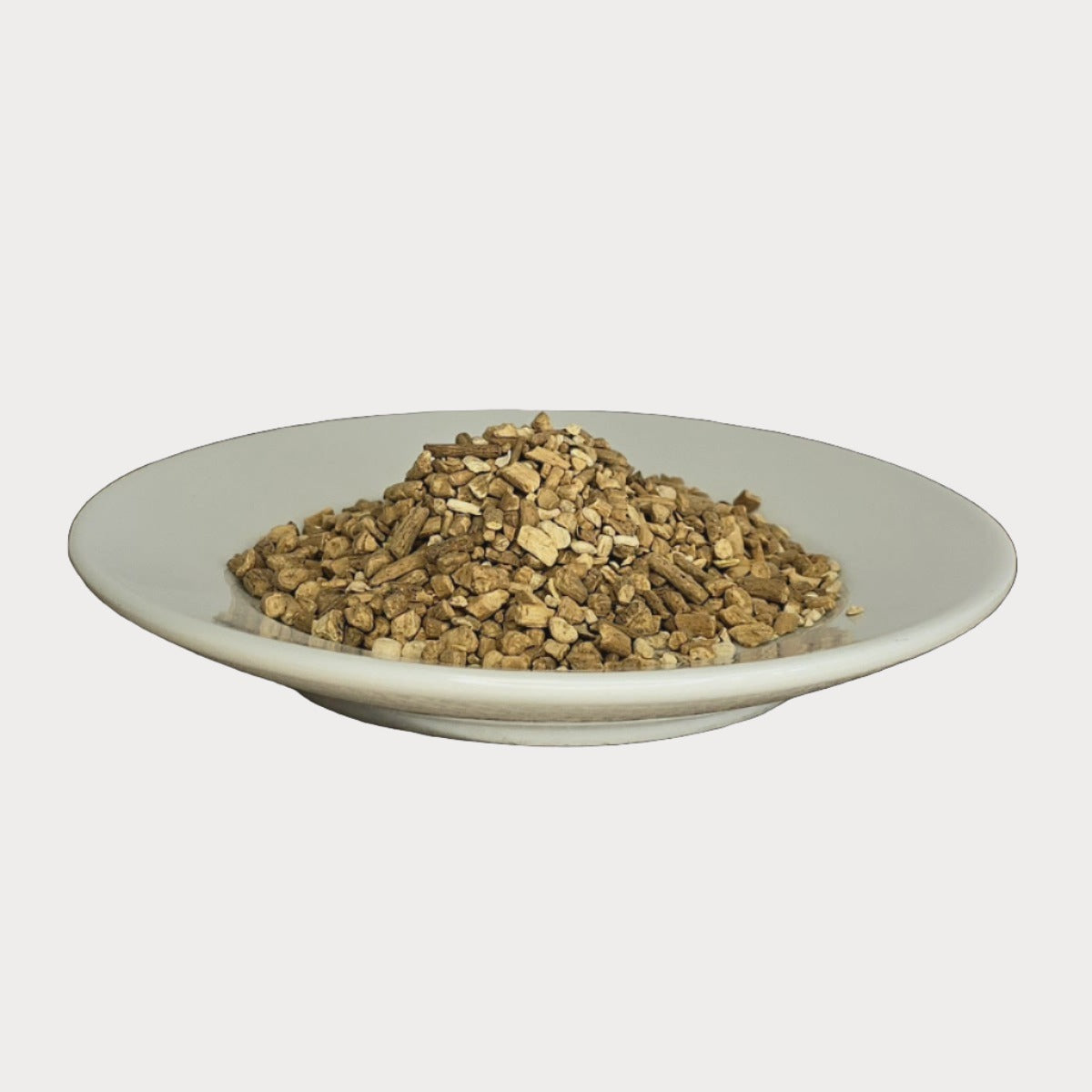
Root, cut and sifted.
In stock
Couldn't load pickup availability
- Ashwagandha
- Bulk Herbs
- Earth Energy
- Energy Balancing
- Harmony and Balance
- Herbs
Share Ashwagandha Root
Product Information
Click Row Titles to Show / Hide
Wikipedia Excerpt
Herbal Actions
- Adaptogen
- Sedative
- Nervine
- Relaxant
- Anti-Inflammatory
- Antioxidant
- Aphrodisiac
- Neuroprotective
Traditional Medicinal Uses
- Insomnia Relief
- Anti-anxiety
- Relaxation
- Energy Boosting
- Anti-aging
- Hypothyriodism
- Cognitive Support
- Rheumatic Issues
- Cancer Treatment Assistance
- Libido
Cautions and Drug Interactions
Cautions and Contraindications
Do not take with tranquilizers or anxiety medication.
Do not take if you are on medication for a seizure disorder.
Do not take if pregnant, can increase risk of miscarriage. Has not been studied for breastfeeding, it is advised to avoid.
Use with caution if you have an autoimmune condition.
Limited studies show that there is a chance this herb can increase testosterone levels, so anyone with hormone sensitive cancers or other conditions use caution and consult your doctor.
Drug Interactions
- Medications for seizure disorders.
- Medications for anxiety and insomnia
- Immunosuppresants
History and Fun Facts
Ashwagandha is in the same family as tomatoes!
It's name means "horse's smell"
Harvesting
All parts of the ashwagandha plant are used in traditional herbal medicine.
Typical Dosages
Note: It is recommended to cycle off of Ashwagandha to avoid desensitization to the effects. A common cycle is 8-12 weeks taking the herb followed by 2-4 weeks off.
Dosage in studies has varied greatly so it is advised to start slow and go from there.
Common dosage is usually between 500mg-1000mg daily for up to 12 weeks.
Spiritual Uses
- Energy Source
- Removing Spiritual Blockages
- Strength
- Repairing Past Damage
- Endurance
- Healing
- Cleansing
- Ancient Wisdom
Planet
Mars
Element
Fire